Drinking Water
Visitors are advised to use bottled drinking water during their stay.

Located in Central Asia, Uzbekistan is a doubly landlocked country bordered by Kazakhstan, Kyrgyzstan, Tajikistan and Turkmenistan. It occupies a strategic position along the historic Silk Road, which contributed to its long-standing role as a center of trade, culture, and intellectual development.
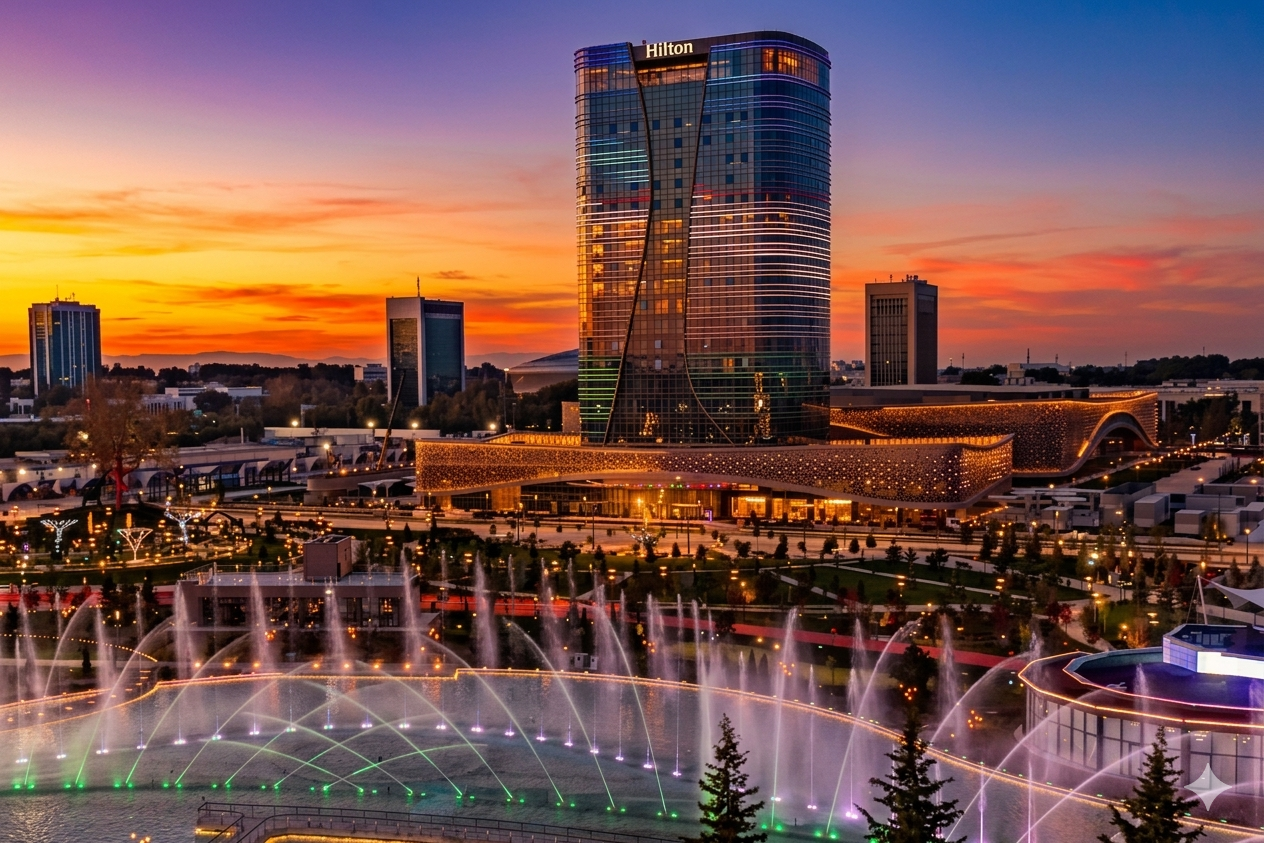
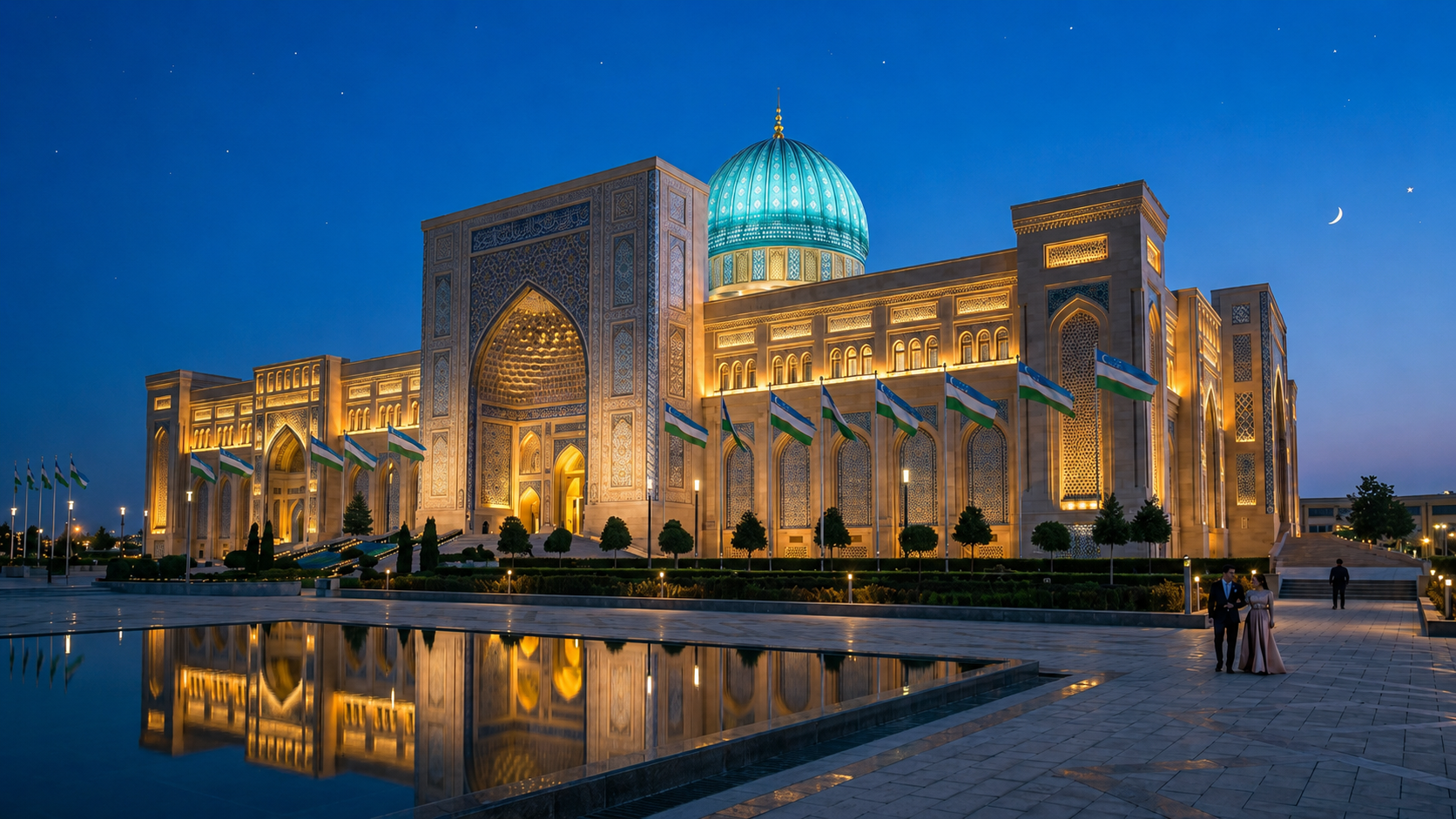
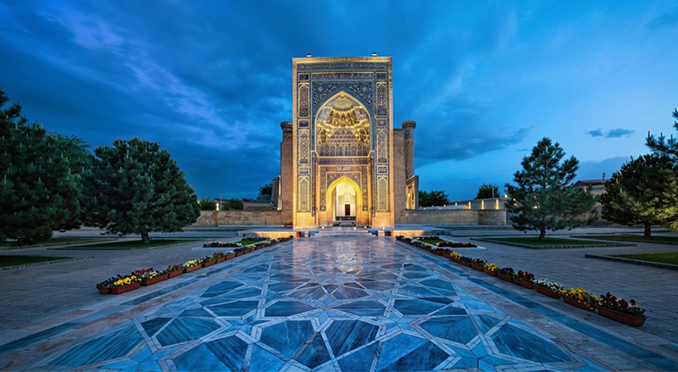
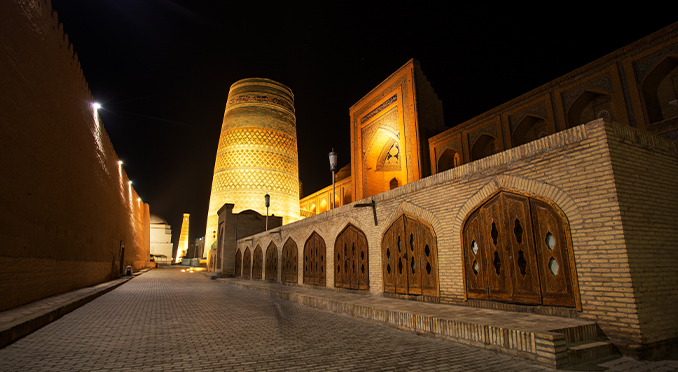
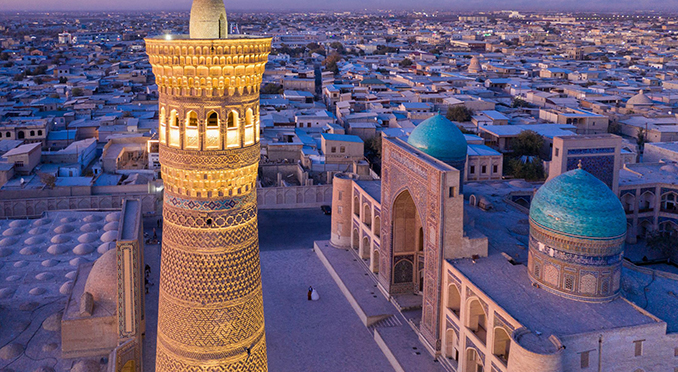
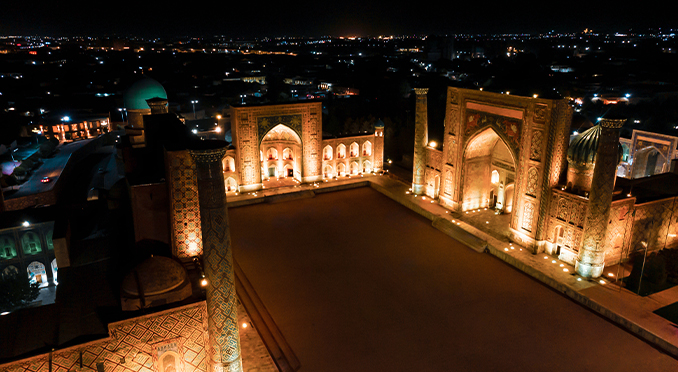
Uzbekistan has a population of over 37 million people, making it the most populous country in Central Asia. Its capital and largest city is Tashkent, a major political, economic, and cultural hub. Other historically significant cities include Samarkand, Bukhara, and Khiva, which are recognized for their well-preserved Islamic architecture and UNESCO-listed heritage sites.
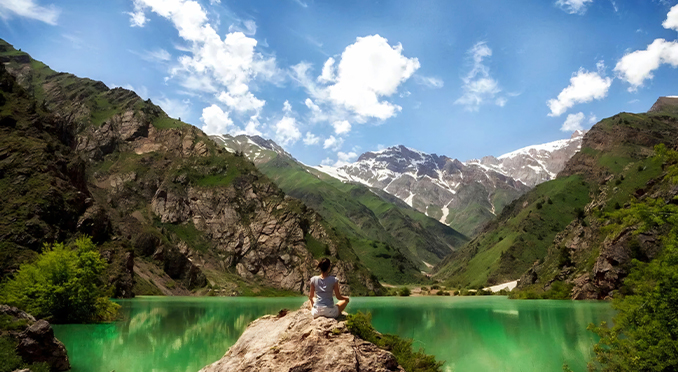
Covering an area of approximately 448,978 square kilometres (173,351 square miles), Uzbekistan features diverse landscapes ranging from the Kyzylkum Desert to fertile agricultural zones such as the Fergana Valley, as well as mountainous regions in the east. The country has a mixed economy with strong contributions from natural resources, agriculture, and an expanding industrial and service sector.
Uzbekistan has four distinct seasons. The best time to visit is spring (March–May) and autumn (September–November), when the weather is mild and ideal for travel and sightseeing.
Summer (especially August) is hot, often above 35°C, but evenings are lively with bazaars and outdoor cafés. The mountains offer a cooler escape. Winter is cold and quieter, with opportunities for cultural experiences and winter sports in the highlands.
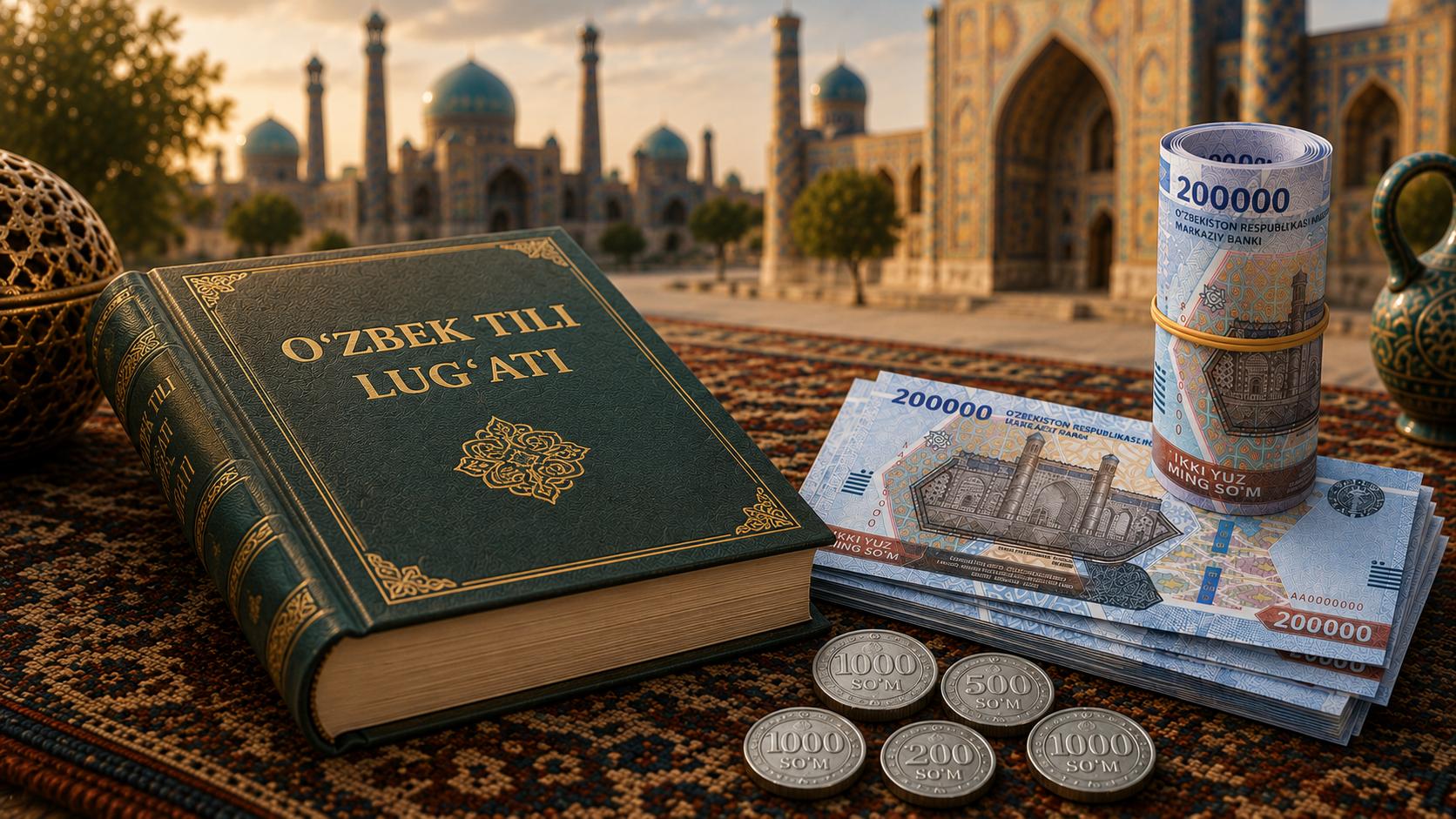
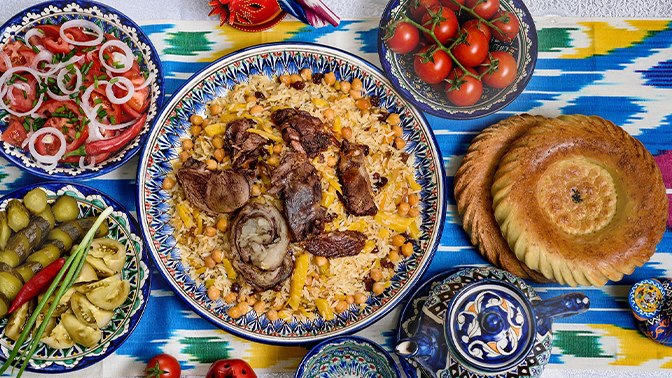
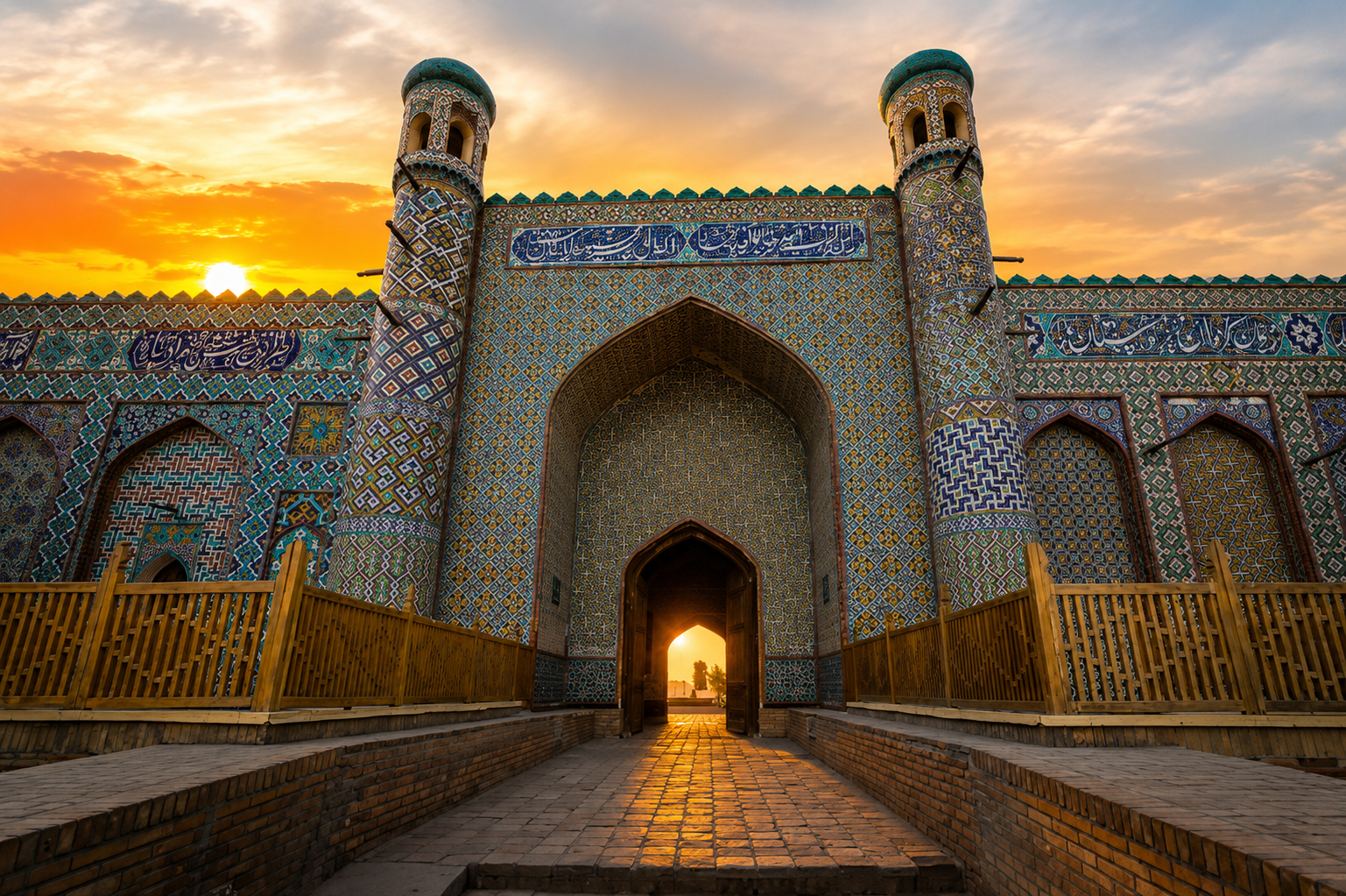
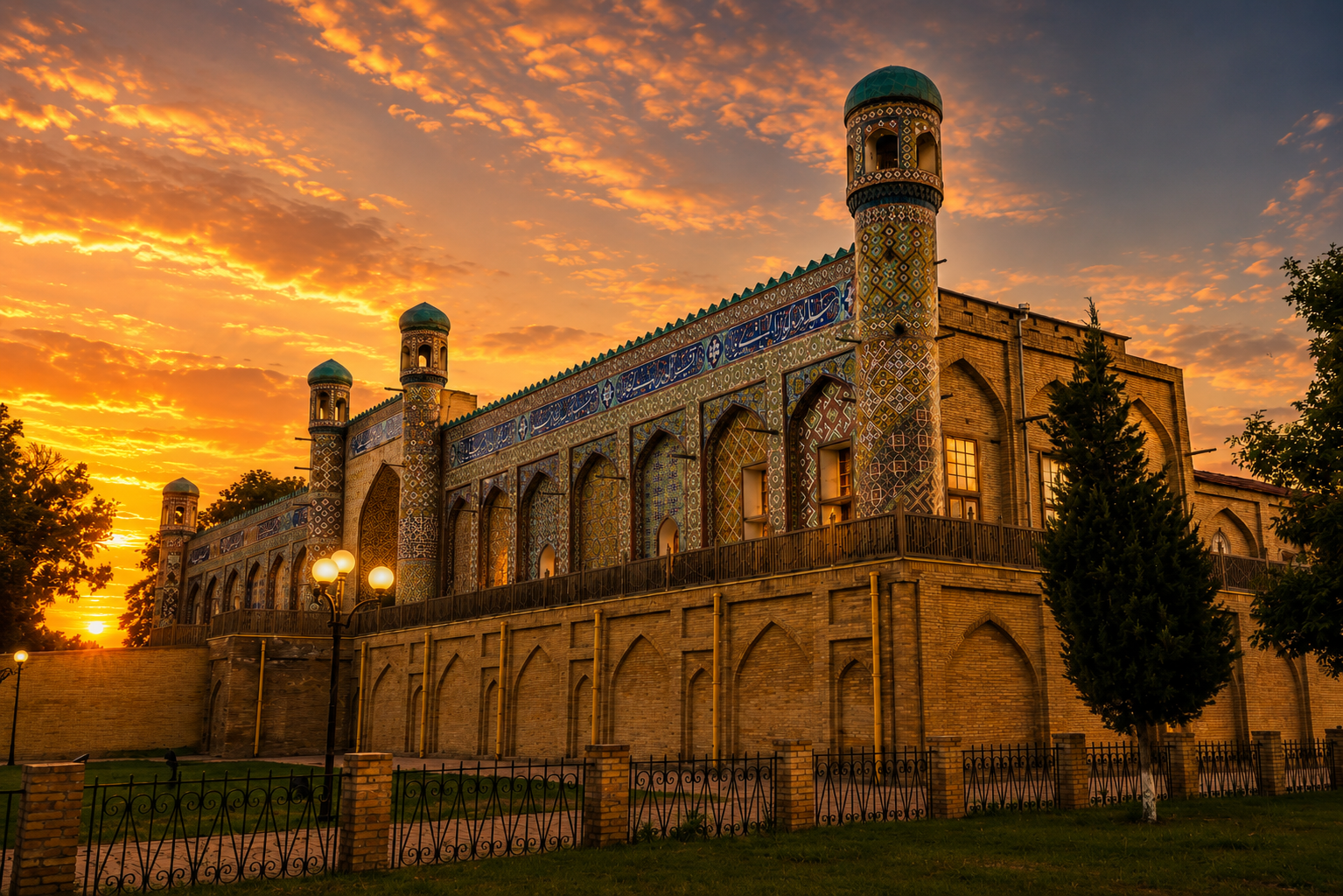
Uzbekistan is a predominantly Muslim country with a cultural heritage shaped by Persian, Turkic, and nomadic influences.

Visitors are advised to use bottled drinking water during their stay.
Major cities are connected by modern high-speed rail. Taxis and ride-hailing applications are widely available and convenient for urban transportation.